Applications
ARCA Applications
Control Valve Applications
ARCA Applications
Proven German Engineering. Local Expertise & Repairs. Trusted Across South African Process Industries.
For over a century, ARCA Regler GmbH in Germany has been at the forefront of precision control valve technology. Their patented nozzle/flapper innovation in 1917 laid the foundation for a legacy of engineering excellence, innovation, and reliability across critical process industries.
At Valve & Automation, we are proud to be the exclusive representative of ARCA Control Valves in Southern Africa for over 25 years. Combined with our 38 years of experience supplying Total Valve & Control Solutions®, we bring together world-class German technology with local technical expertise tailored for your plant’s unique requirements.
Whether your application is in power generation, oil & gas, petrochemicals, mining, pulp & paper, food & beverage, or pharmaceuticals, ARCA’s intelligent control valve systems deliver the accuracy, reliability, and durability demanded by modern process operations.
- Browse the menu on the left for industry-specific valve solutions and downloadable ARCA brochures.
- Speak with our factory-trained specialists to help you size, select, and implement the optimal valve solution for your application.
Get the right control valve—first time, every time—with ARCA and Valve & Automation.

 Contact us Today – Tel: 0861 103 103
Biotechnology & Food
Controls for the food industry and biotechnology are very sensitive. The ECOTROL® control valves offer the appropriate technical solutions for this. Our technology is first used in the secondary loops, where heating and cooling of the processes in food and biotechnology are concerned. The far more challenging part is the primary area, where cleanliness or better purity at the product plays a decisive role. When products such as milk are processed or beer is brewed in the process, control solutions such as our BIOVENT® control valve ensure that it remains pure until bottling. The design and materials comply with the strict FDA regulations and are suitable for CIP (Cleaning In Place) and SIP (Sterilization In Place) procedures. In addition to the products already mentioned, other of our control valves, actuators and positioners ensure the right flow.
Find out more about the ARCA control valve range or talk to our technical specialists today to see how we can assist with your control valve applications.


Chemical
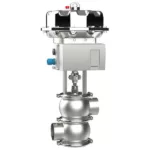
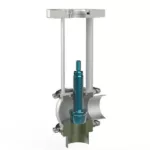
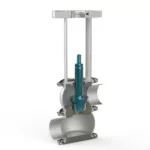
ARCA’s proximity to the various chemical sites in Germany means that we are deeply rooted in the different processes in the chemical industry. From batch processes to fine chemicals to large-scale chemicals, our control valves are in use. The fields of application range from product control to the heating and cooling processes of chemical plants. In addition to the already high standards in the chemical industry, ARCA places special emphasis on the environmental compatibility and sustainability of process control.
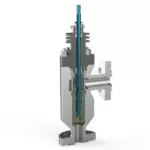
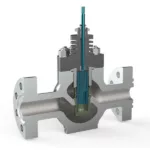
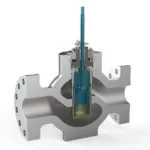
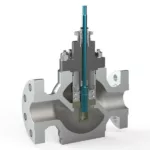
Common applications include,
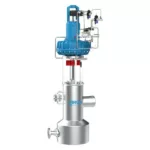
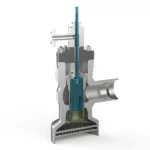
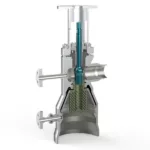
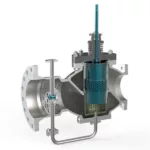
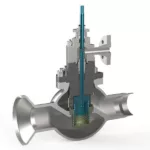
- ECOTROL® Linear globe control valves
- Series 500 Powertrol steam conditioning valves
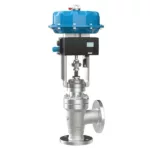
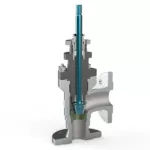
- Series 340/350/380 Angle pattern control valves
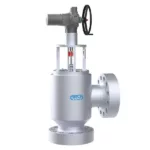
- Series 130 High pressure control valves




Coal Gasification
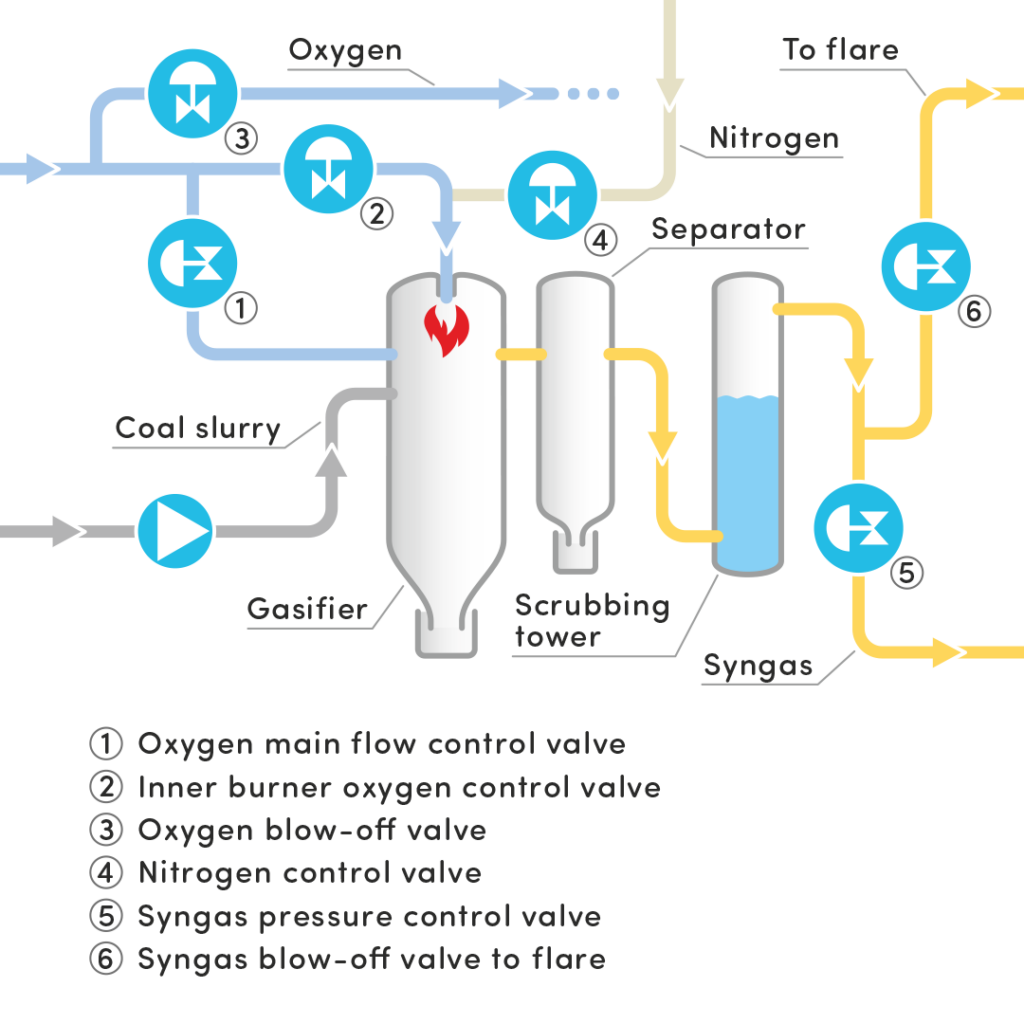
We offer reliable control solutions for all process steps in the coal gasifier.
1) Oxygen main flow control valve
Here the medium is pure oxygen at operating pressures of up to 90 bar and approx. 40 °C. The pressure drop is low during operation, but during start-up and shutdown the valve in the coal gasifier must control and shut off safely against 90 bar differential pressure (leakage rate class V). ARCA control valves with housing and internal parts made of Monel® or Inconel® are used here.
(Recommended : ECOTROL® Series 6H)
2) Inner burner oxygen control valve
The operating conditions are identical to those on the main control valve/shut-off valve. Also here, ARCA control valves with housings and internal parts made of Monel® or Inconel® 625 are used here.
(Recommended : ECOTROL® Series 6H)
3) Oxygen blow-off valve
This valve is used to dissipate the oxygen into the atmosphere when the coal gasifier is started and shut down. Consequently, this valve, together with the downstream fixed stages, must be designed for an operating differential pressure of approx. 90 bar. During normal operation of the plant, this valve is closed and must seal leak-tight to 90 bar operating pressure (leakage rate class V) so that the loss of oxygen remains as low as possible. The control valves used here are made by ARCA with downstream LS3 perforated disc assembly; only Monel® or Inconel® are suitable as material for housings and internal parts, as well as for the perforated discs.
(Recommended : ECOTROL® Series 6H)
4) Nitrogen control valve
This valve is used to inert the coal gasifier system during start-up and shut-down as well as during emergency shutdown. The nitrogen pressure is significantly above the operating pressure of the plant, typically 130 bar. The nominal size of the ARCA control valves used is DN 25 to DN 40 (1″ to 1 ½”). These valves must also be technically leak-tight so that no nitrogen is introduced into the coal gasifier during normal operation. Since only nitrogen flows through the valve at this point when operating and oxygen is only available when the valve is closed, a valve with housing and internal parts made of stainless steel is sufficient here.
(Recommended : ECOTROL® Series 6H)
5) Syngas pressure control valve
This control valve is used to maintain pressure in the reactor/gas scrubber and to control the gas flow to the downstream process. Due to the high gas flow, these are control valves with a large nominal size (typically DN 300 / 12″) from the ARCA series. The valves for syngas are made of high temperature cast steel, but due to the high proportion of toxic carbon monoxide, the leak-tightness of the stuffing box is of great importance. Additionally, due to the residual amount of particles in the syngas, this is a really challenging service.
(Recommended : ECOTROL® Series 6H)
6) Syngas blow-off valve to flare
This is the control valve that controls the syngas flow to the flare during startup and shutdown of the plant as well as in emergency situations. The fluid is same as on the syngas pressure control valves, means the requirements for stuffing box tightness and resistance against particles are the same. Since the downstream pressure is close to atmosphere, downstream flow resistors are used to limit the outlet flow velocity and the noise emission. These valves must be tight to Leakage Class V to avoid loss of syngas during normal operation.
(Recommended : ECOTROL® Series 6H)


Bio Mass
The energetic use of organic materials of plant or animal origin is a proven method of resource utilization and can be classified as renewable energy. A shift in thinking and in the utilization of residual materials to valuable materials already took place here years ago. With the establishment of these energy sources, the technical possibilities for converting biomass into other forms of energy have also grown and matured.
ARCA supports this conversion process of raw materials extensively with the ECOTROL® and POWERTROL control valves, both in the production and processing of wood pellets and biogas, to name only the usual applications. This transformation of biomass into green energy in the form of electricity and heat is made possible in a safe and efficient manner by the ARCA control solutions.

Hydroelectric Power Plants
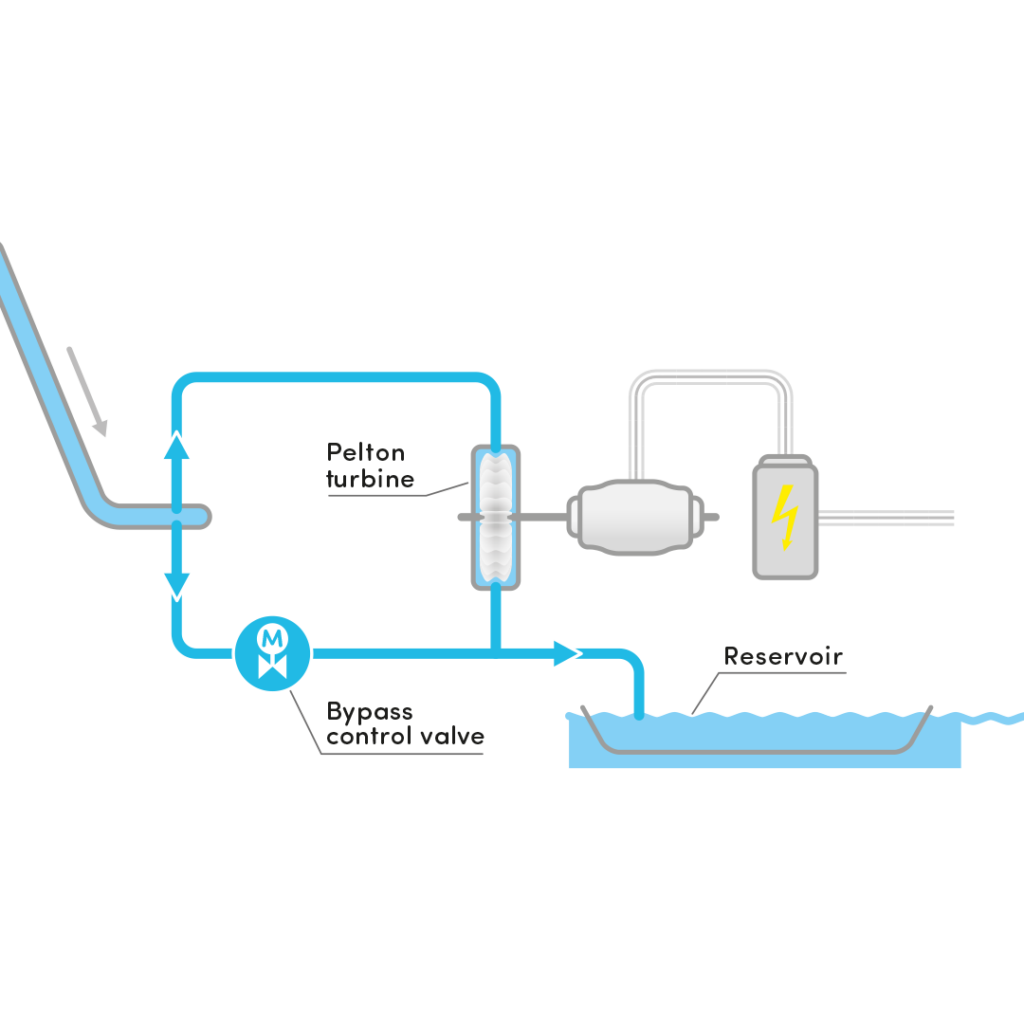
Our reliable control valve technology for hydroelectric power plants ensures reliable power generation, which is created by utilizing the geodetic height difference between high-altitude sources and the water discharge in the valley. At the high-altitude water reservoir, electricity is generated by the water pressure via a Pelton turbine in the valley. A bypass control valve facing enormous differential pressure is installed in order to protect the process to the turbine. In mountainous regions of Switzerland, Austria, Norway as well as Germany, ARCA’s control technology actively contributes to the generation of “green electricity” by hydropower plants.
Bypass control valve for hydroelectric power plants
Our bypass control valves ensure pressure control at the highest level. ARCA regulates geodetic height differences of up to 1150 m, which means a rough geostatic pressure of 115 bar. This enormously high water pressure, which is in the range of water jet cutting, represents a major challenge for the design of the bypass control valve. Our ECOTROL® Series 6H series fully meets this requirement.
Multi-stage trims
ARCA has developed special multi-stage trims that divide the high differential pressure into many small flows, so that the volumetric flow and the pressure difference are divided into many stages and can be reduced to atmospheric pressure in the valley. This is the only way to control the enormous differential pressure of the hydroelectric power plants without the destructive effects of cavitation.
Drinking water conformity
ARCA also ensures the supply of drinking water with efficient control technology depending on the requirements of the application. As an optional application for the water reservoir, the ARCA modular system also offers appropriate materials made of stainless steel in order to be able to offer a drinking water-compliant bypass control valve.
Fail-safe power supply of hydroelectric power plants
The ARCA bypass control valve must reliably regulate the water flow even if the water turbine with the generator fails. A 24 V electric drive is usually chosen as the actuator, which can be operated by its own connected solar supply.

Hydrogen
The industrial use of hydrogen where control valves are needed is not as new as current reporting may suggest – its beginnings go back almost 100 years. The element has the lowest atomic mass in the periodic table and is now seen as a beacon of hope and an important building block on the road to climate neutrality.
Hydrogen appears to be omnipresent, but its processing and control are challenging. That applies to its storage, transport and processing. The energy change means that there is more hydrogen, not only in industrial plants, but also in residential districts and in transport systems. The electricity for the green production of hydrogen is generated by biomass power plants, wind power plants and solar plants, which we are of course also happy to control.
The control valves must be able to cope with the medium. Hydrogen has very small molecules that can penetrate the structure of steel. This can cause brittleness and cracks. In addition, the element is highly explosive and quickly flammable.
For ARCA, hydrogen is an old acquaintance because we have been reliably controlling this gas for many years. With the continuous further development of our control valves and actuators, we are the technology leader in this segment today. Operators and plant manufacturers appreciate the high availability and long service life of the ARCA control valves.
With our knowledge, we are ready for the future with hydrogen.
Control valves for pressure swing adsorption (PSA)
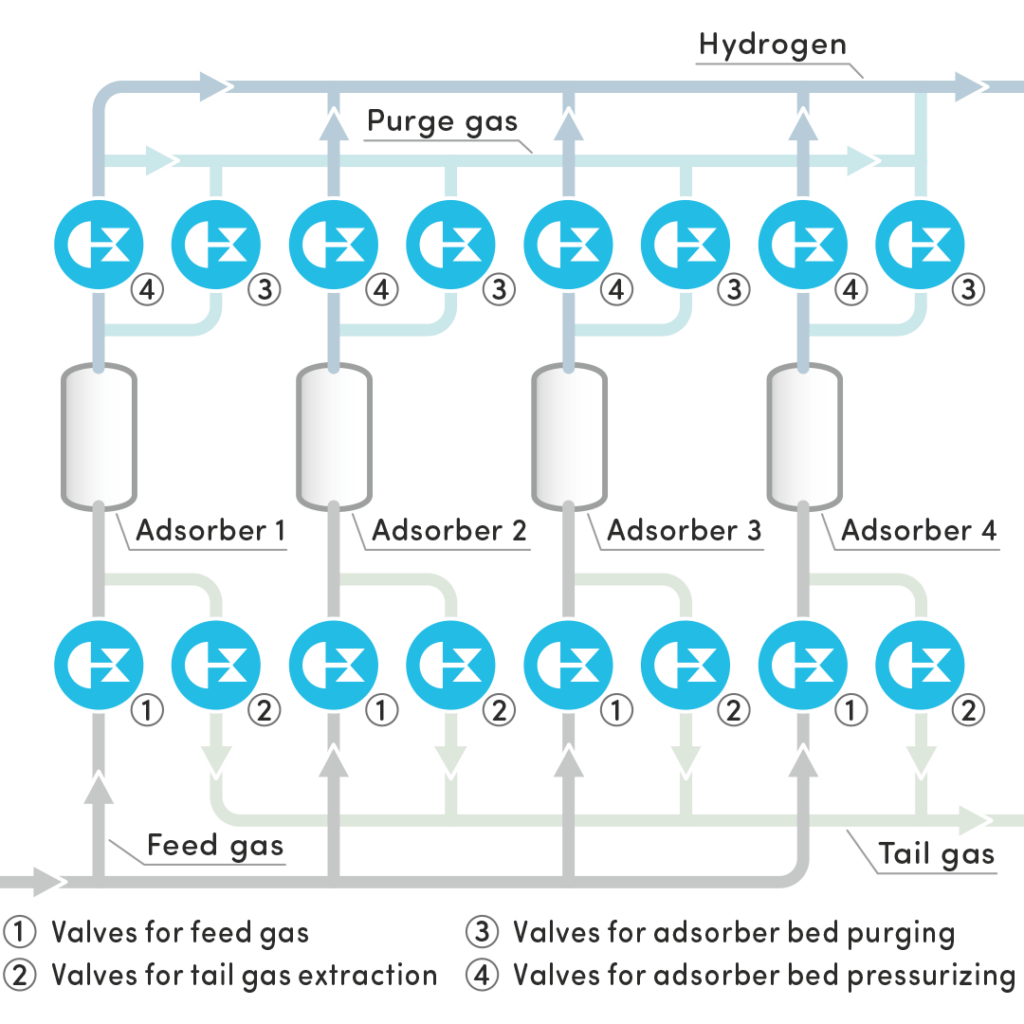
ARCA supplies efficient control technology for the pressure swing adsorption process, or PSA for short, where hydrogen is reclaimed from raw gas. Degrees of purity of up to 99.9999% are possible. The process is characterized by frequent actuating cycles of the control valves, as the gas is passed from one absorber to the next and returned. A tight closure of the control valves in both flow directions is crucial for the purity of the gas. The patented ARCA soft seal has impressively proven its reliability with more than 1 million operating cycles.
Hydrogen in Power-to-X applications (P2X)
Power-to-X applications (P2X for short), which produce hydrogen using green or surplus electricity, generate ammonia, methane, diesel, ethylene or methanol among others in the subsequent processes, which in turn need to be regulated.

Solar Plants
We found our entry into solar energy through the construction of solar systems for power plant operation, in which ARCA is already an established and reliable partner.
Two processes have emerged here.
In the first, the sun’s rays are focused in a point-focusing system by a mirror field (heliostat) on a heat exchanger or receiver, which is positioned high up in a tower and causes the water to evaporate. This operates the well-known water-steam-condensate cycle. The generator feeds the electricity into the grid via the steam turbine.
The second is a line-focusing system that guides a piping system through hollow mirror fields. A heat transfer fluid such as water, thermal oil or liquid salt is passed through the piping system and heated as it flows through.
As a company with many years of experience in the field of solar systems, we are your partner for the next generation in the field of Concentrated Solar Power.
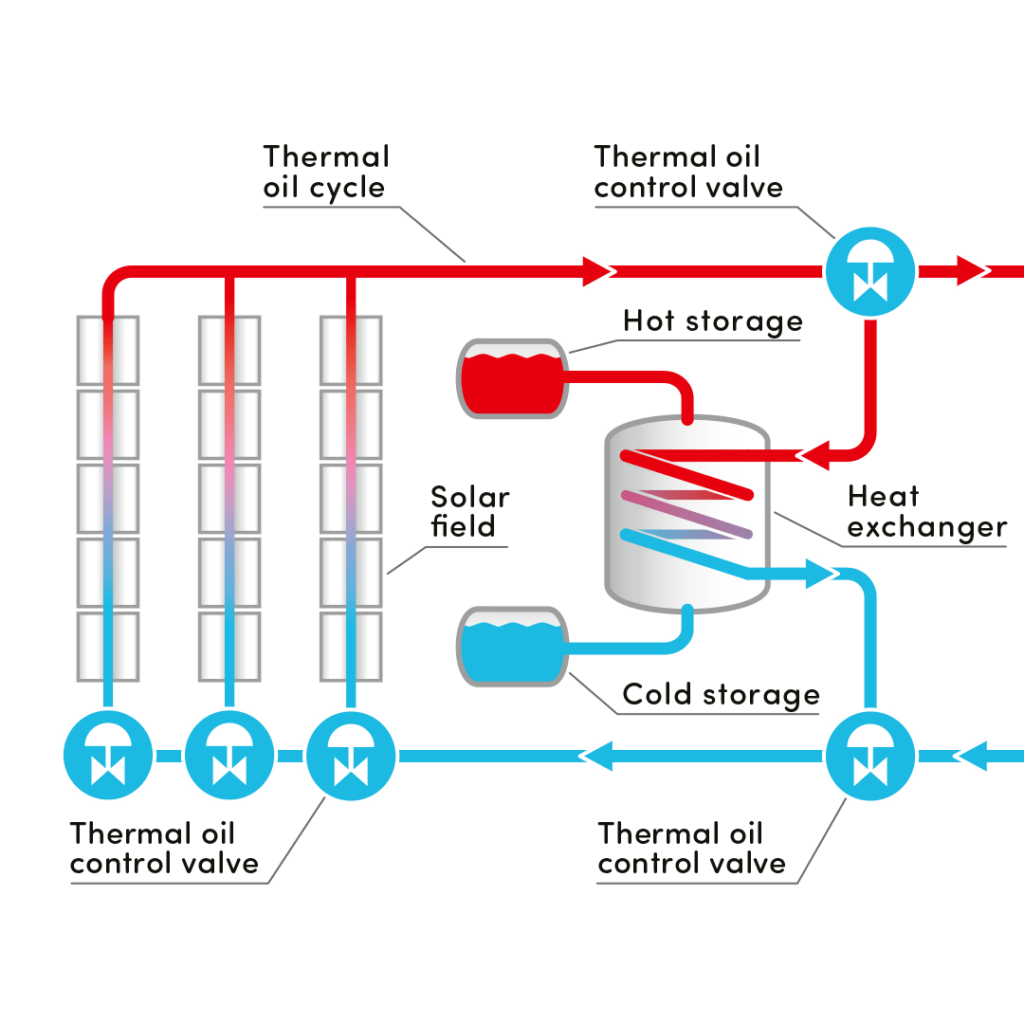
Solar systems with line-focusing systems
In the line-focusing system, a piping system passes through hollow mirror fields.
The corresponding control loops and control applications are shown in the process chart.
A heat transfer fluid such as water, thermal oil or liquid salt is passed through the piping system and heated as it flows through.
Our ECOTROL® control valves are used at various positions for this circuit and the control of the flow. Depending on the heat transfer medium, for example, the steam is used directly in the power plant circuit.
In the case of thermal oil or liquid salt, a primary and secondary circuit are used in which the ECOTROL® control valve together with the ARCA TRIVENT controls the secondary loop temperature.




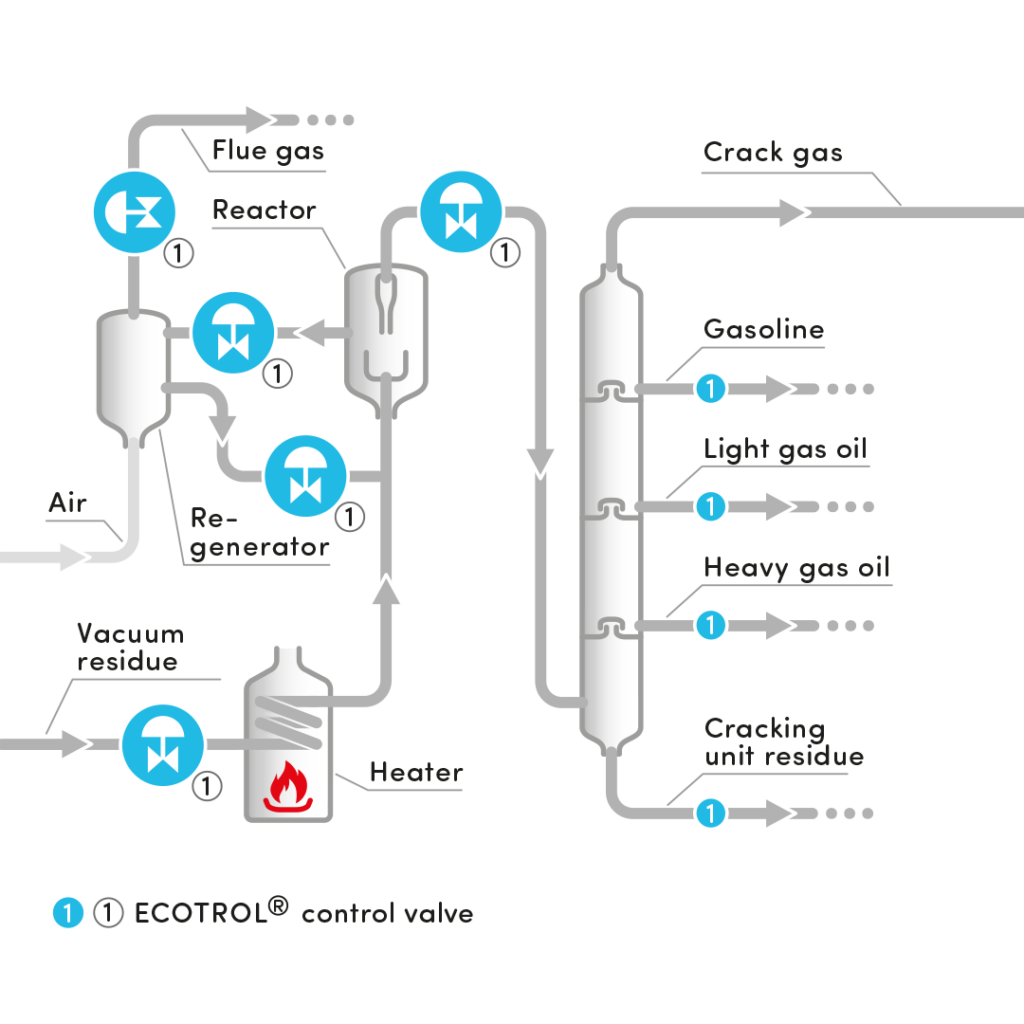
Catalytic Cracking Unit
Precise control technology for the catalytic cracking unit: For practically all mediums occurring in refineries from oil, gasoline, diesel, LPG, HC gases to hydrogen, also for hydrogen fluorides, sour gas (NACE) our ECOTROL® control valves are suitable, either in pressure balanced or unbalanced design.
These series are also suitable for cavitation and flashing conditions and are available in nominal sizes DN 15 (1/2″) – DN 700 (28″) as well as PN 16 to PN 400 (ANSI 150 to ANSI 2500). For example, GP240GH / A216WCB is used as standard material. Special versions made of Hastelloy and Monel are available on request. The temperature range of our control valves for the catalytic cracking unit covers design temperatures from -196 °C to +570 °C. (series: 8C, 6N, 6H)

Claus Process
Our ECOTROL® valves, balanced and unbalanced, are suitable for almost all media encountered in the Claus process – from oil, gasoline and diesel to LPG, HC gases and hydrogen, including hydrogen fluorides and sour gas (NACE).
These control valve series are also suitable for cavitation and flashing conditions and are available in nominal sizes DN 15 (1/2″) – DN 700 (28″) as well as PN 16 to PN400 (ANSI 150 to ANSI 2500). For example, GP240GH / A216WCB is used as standard material. Special versions made of Hastelloy and Monel are available on request. The temperature range for application in the Claus process extends from -196 °C to +570 °C. (series: 8C, 6N, 6H)

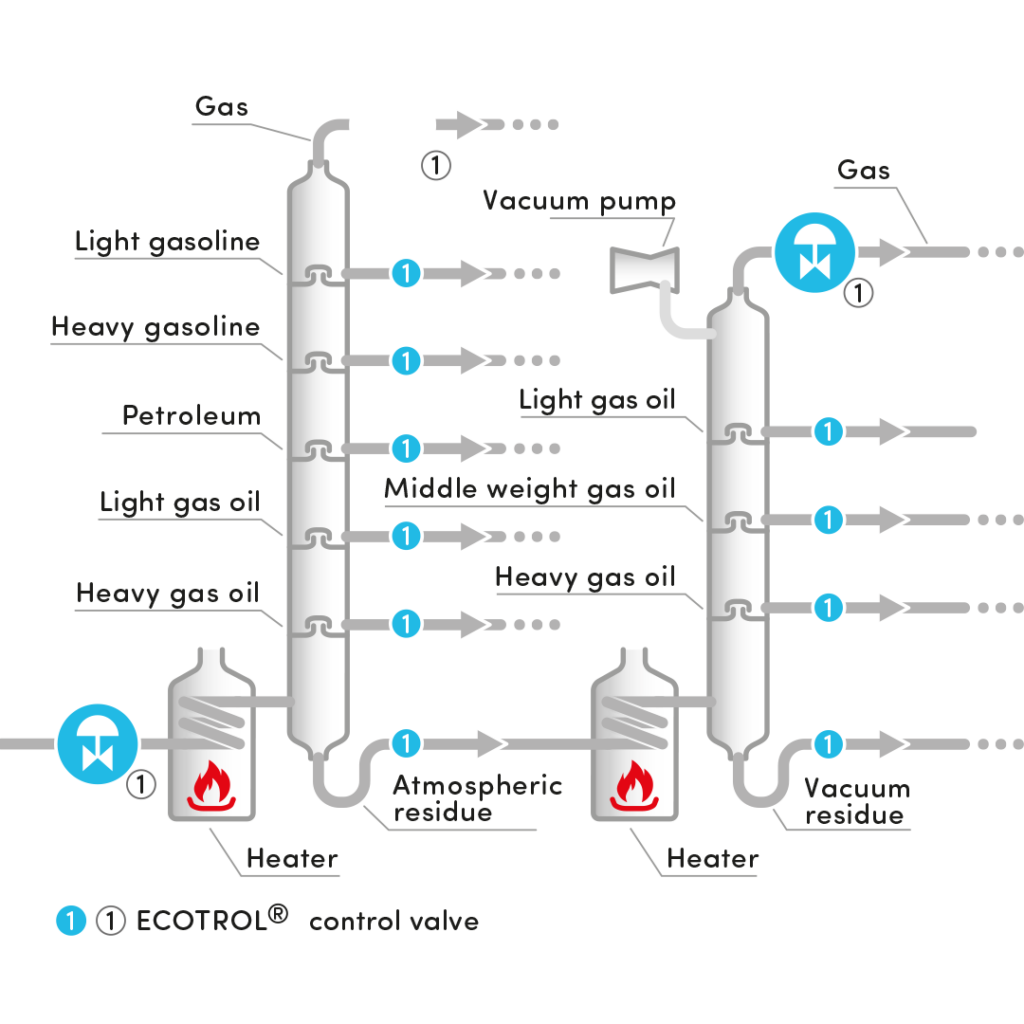
Distillation Technology
For crude oil, also with low abrasive components, we recommend our double-seat valves DN 50 – 400 PN 40 and DN 40 – 250 PN 160 (series 250, 280) as well as exclusively non-pressure-balanced versions of the ECOTROL® series 8C, 6N, 6H in the nominal sizes DN 15 (1/2″) – DN 700 (28″) PN 40..160 (ANSI 150…1500) in distillation technology.


Condenser
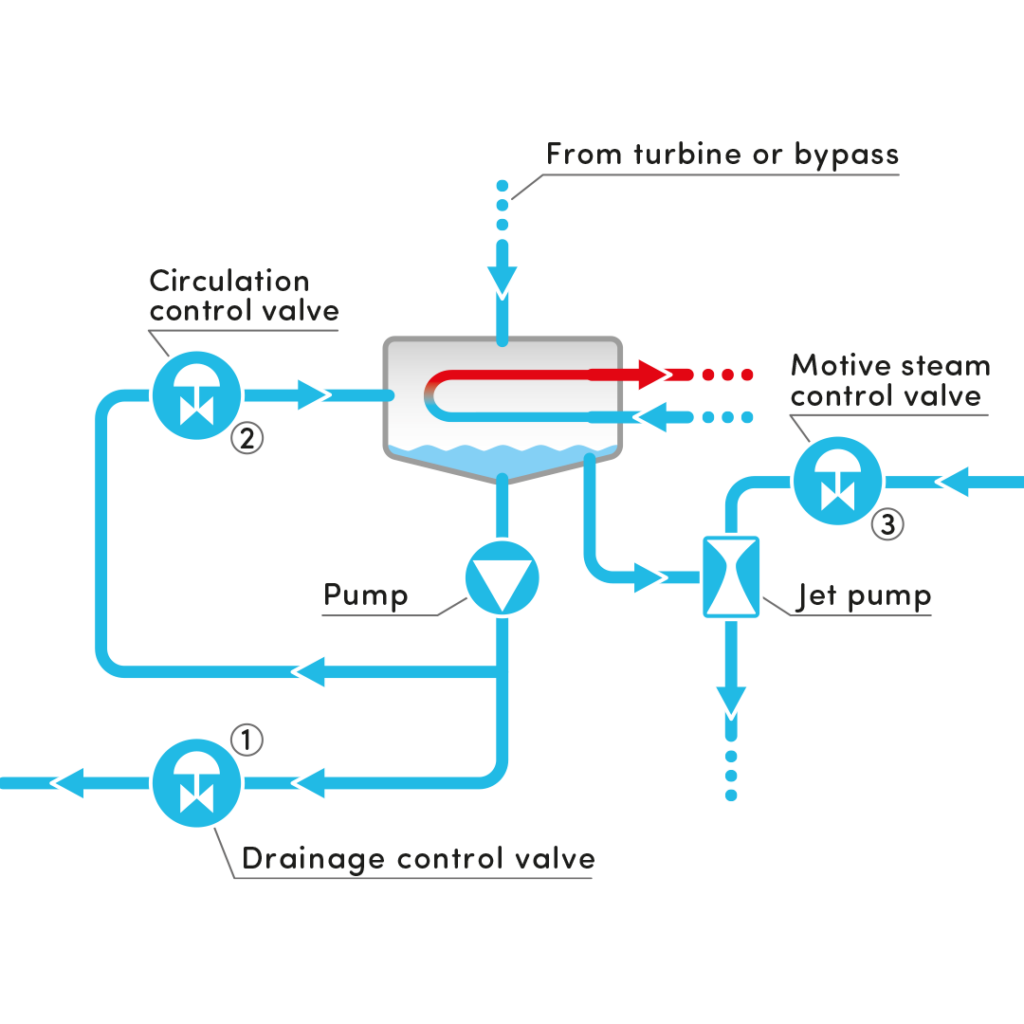
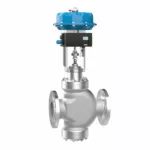
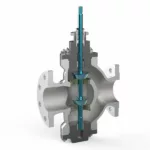
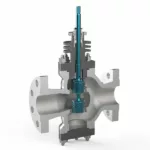
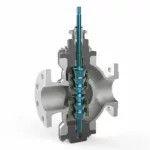
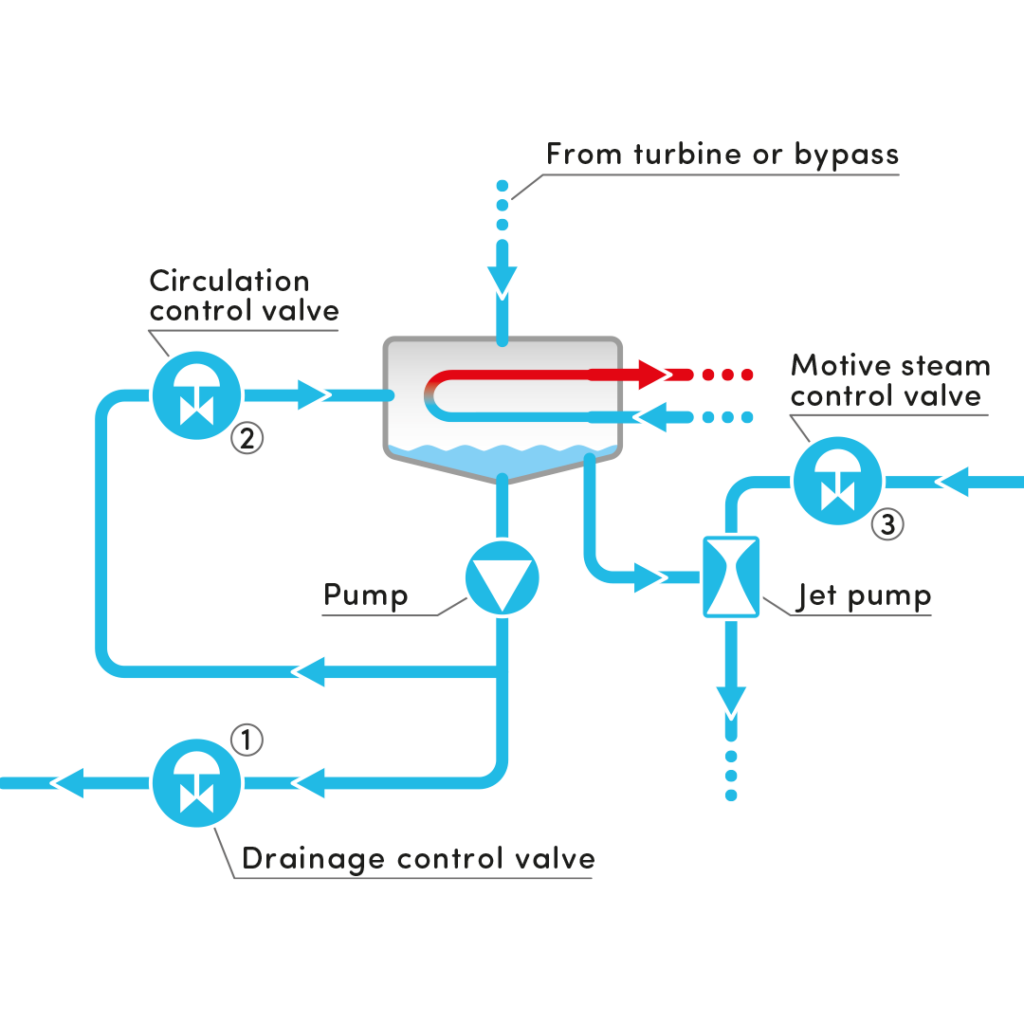
Are you looking for a precise control valve for your condenser in the power plant? We have it!
1) Condensate drainage control valve (variant I)
With the drainage control valve, the level in the condenser is controlled and the condensate is fed back into the feed water tank or a process line.
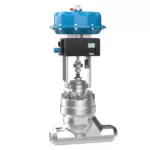
(Recommended : ECOTROL® Series 8C, 6H)
2) Condensate circulation control valve (variant I)
The circulation control valve regulates the minimum quantity in the condensate pump bypass to prevent the pump from running dry. The stem seal of this valve must be vacuum-tight so as not to influence the under-pressure in the condenser, especially during start-up.
(Recommended : ECOTROL® Series 8C)
Combined condensate drainage & circulation valve (variant II)
The aforementioned condensate drainage and circulation can be realized as well with a 3-way diverting control valve.
(Recommended : Series 200)
3) Condenser motive steam control valve
When starting up the system, as long as the turbine is not yet in operation, the vacuum in the condenser is generated with a steam operated-jet pump. The vacuum pressure control is determined by the motive steam control valve.
(Recommended : ECOTROL® Series 6N, 6H and Series 190)



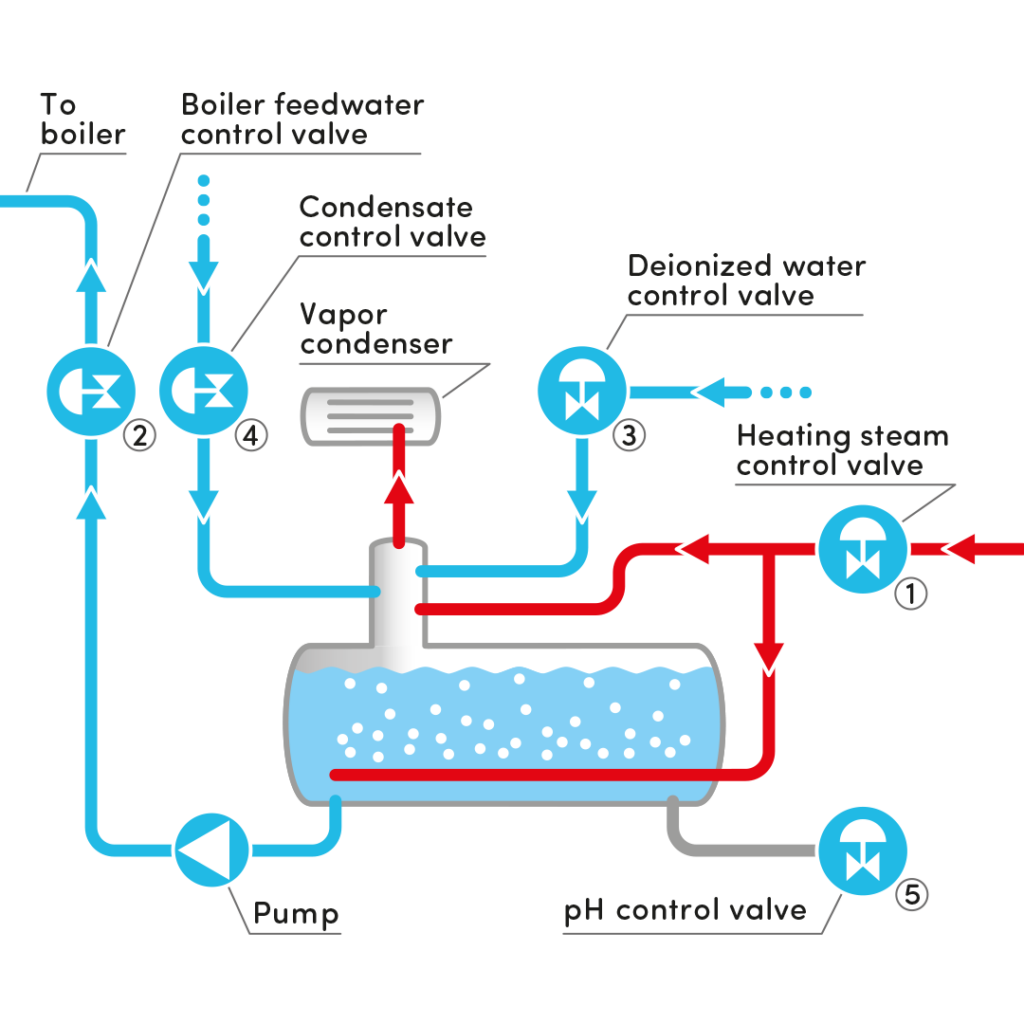
Feed Water Reservoir
You can find the suitable control valve for the feedwater tank in the power plant at ARCA.
1) Heating steam control valve
The feed water is degasified in the degasifier, which is located on the feed water reservoir. As a result, the harmful gases oxygen and carbon dioxide are largely removed. The degasification of the feed water is mainly carried out at overpressure (p = 0.1 – 0.4 bar) and the corresponding saturated steam temperature of 102 to 108 °C. The feed water reservoir is heated by a steam lance in the water chamber for mixing the fluid and by adding steam in the gas chamber. The steam is supplied by the heating steam control valve, which must be provided with built-in noise-reducing components.
(Recommended : ECOTROL® Series 6N, 6H)
2) Feed water control valve
With this control valve, the level in the boiler drum is regulated so that boiler feed water is continuously available in the boiler for steam generation. In order to compensate for the difference between the characteristic curve of the feed water pump and the operating characteristic of the boiler system, the feed water control valve must be designed accordingly.
(Recommended : ECOTROL® Series 8C, 6H, Series 350, 380)
3) Deionized water control valve
Losses are encountered in the water-steam circuit as a result of desalination, desludging, and sampling. These are compensated by adding deionized water from the water treatment plant. Impurities contained in the raw water in dissolved and undissolved form are removed in the water treatment plant. The deionized water is dosed to the feed water circuit by the deionized water control valve.
(Recommended : ECOTROL® Series 8C, 6H)
4) Condensate control valve
The condensate that accumulates throughout the entire plant is fed back to the water-steam circuit using condensate control valves. Subsequent evaporation may occur as the condensate expands, depending on the pressure and temperature, and must be taken into account when selecting the rated Cv value and nominal outlet diameter.
(Recommended : ECOTROL® Series 8C, 6N, Series 350)
5) pH control valve
The pH value of the deionized water is controlled by adding ammonia or caustic soda enriched water from the ion exchangers in the water treatment plant. Today, this task is assumed primarily by metering pumps but can also be carried out using pH control valves.
(Recommended : ECOTROL® Series 8C)

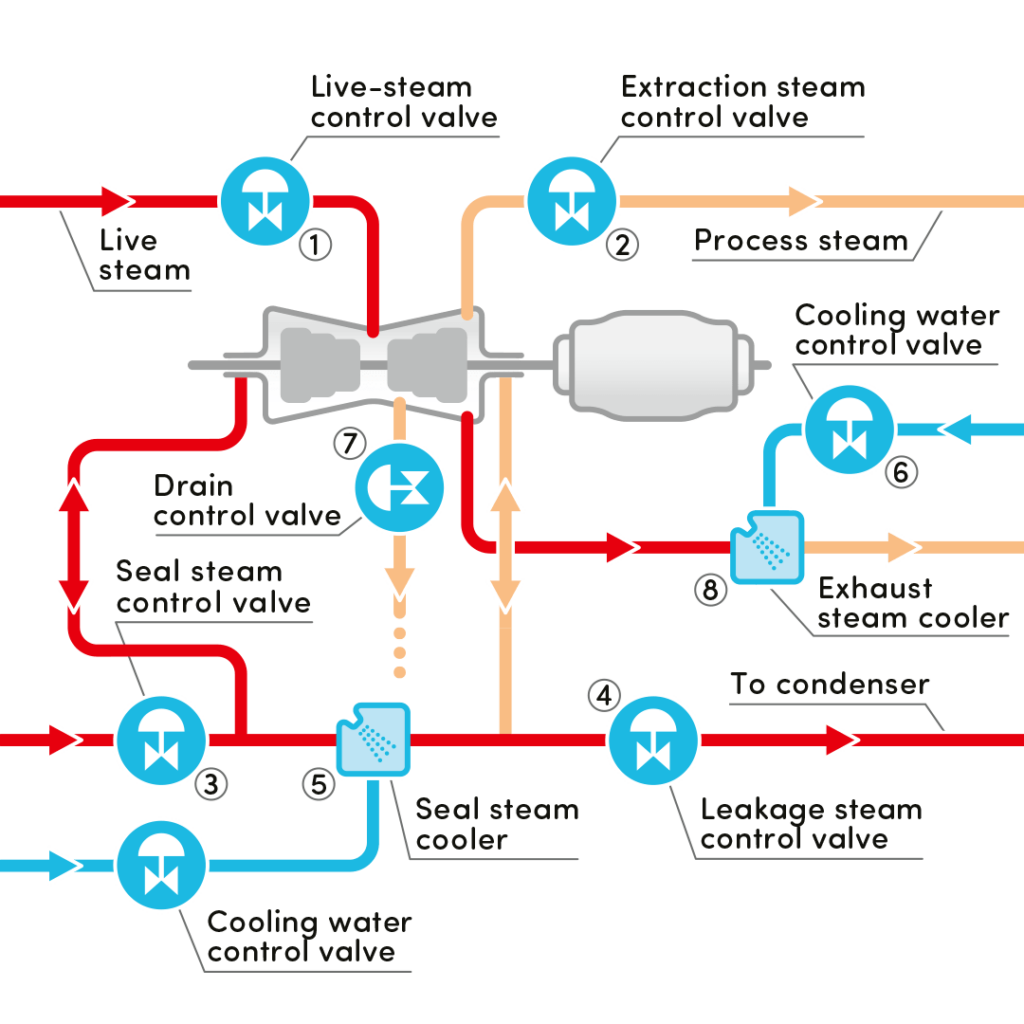
Turbine
With us you will find the right control valve for every process step around the turbine of the power plant.
1) Live steam control valve
This valve is used to control the pressure for the entry of the live steam into the turbine. Turbines for medium-sized heating and industrial power plants require straight-way and angle-control valves from DN100 to DN600 with fast response times.
(Recommended : ECOTROL® Series 6N, 6H, Series 350, 380)
2) Extraction steam control valve
This valve can feed the MP steam header to meet the power plant’s own requirements or regulate the pressure of process steam in industrial plants (e.g. paper mills) that frequently control multiple steam headers to supply a wide variety of heat exchangers. To this end, straight-way and angle-control valves (DN100 – DN600) with as large rated Cv value as possible for low differential pressure and a full stroke positioning time of less than 2 seconds are essential to tap the turbine with minimum energy loss.
(Recommended : ECOTROL® Series 6N, 6H, Series 350, 380)
3) Sealing steam control valve
The HP, LP, and MP turbine shafts of steam turbines are axially sealed with respect to the turbine housing by using labyrinth seals near the shaft throughput. The sealing-steam control system must maintain a predetermined low level of overpressure at the shaft labyrinths, regardless of load changes in the turbine or condenser. When the seal-steam pressure is too high, leakage steam from the shaft labyrinths can contact the bearing bodies via the oil-sealing rings and condense to water in the oil system. When the seal-steam pressure is too low, on the other hand, air can be taken in, which reduces vacuum pressure and further promotes the formation of condensate. The seal-steam control mechanism is designed to feed steam to the labyrinth chamber and purge accumulating leakage steam, depending on the type of turbine and the way it operates. Seal steam (typically live steam) is fed using the seal-steam control valve (DN15 – 100), which is often required to regulate in a very precise manner under high differential pressure.
(Recommended : ECOTROL® Series 8C, 6H and Series 190)
4) Leakage-steam control valve
The conditions that prevail for the aforementioned valve apply here as well. Leakage steam is purged using the leakage-steam control valve (DN50 – 300), whereby the steam is extracted into the condenser vacuum behind the valve.
(Recommended : ECOTROL® Series 8C, 6N)
5) Seal-steam cooler
Live steam often has excessively high temperatures, especially at the shaft on the low-pressure side of industrial turbines. This can be counteracted with a mini cooler (DN65 – 150) or similar.
(Recommended : Series 595,596)
6) Cooling Water Valve
To control the temperature of the turbine, the cooling water (usually condensate) is supplied to the cooler with this valve DN15 – 50.
(Recommended : ECOTROL® Series 8C, 6H, Series 130, and Series 190)
7) Drain control valve
All low points in the steam pipeline and turbine chambers must feed accumulated condensate to the condensate collector as the system warms up and during operation by way of an on/off or control valve.
(Recommended : ECOTROL® Series 8C, 6H, Series 130, and Series 190)
8) Exhaust steam cooler
Exhaust steam from the turbine supplies the low-pressure steam headers (whose temperature is cooled by the exhaust cooler), depending on the type of turbine and the way it operates in industrial plants.
(Recommended : Series 590,596,597)


Turbine Bypass
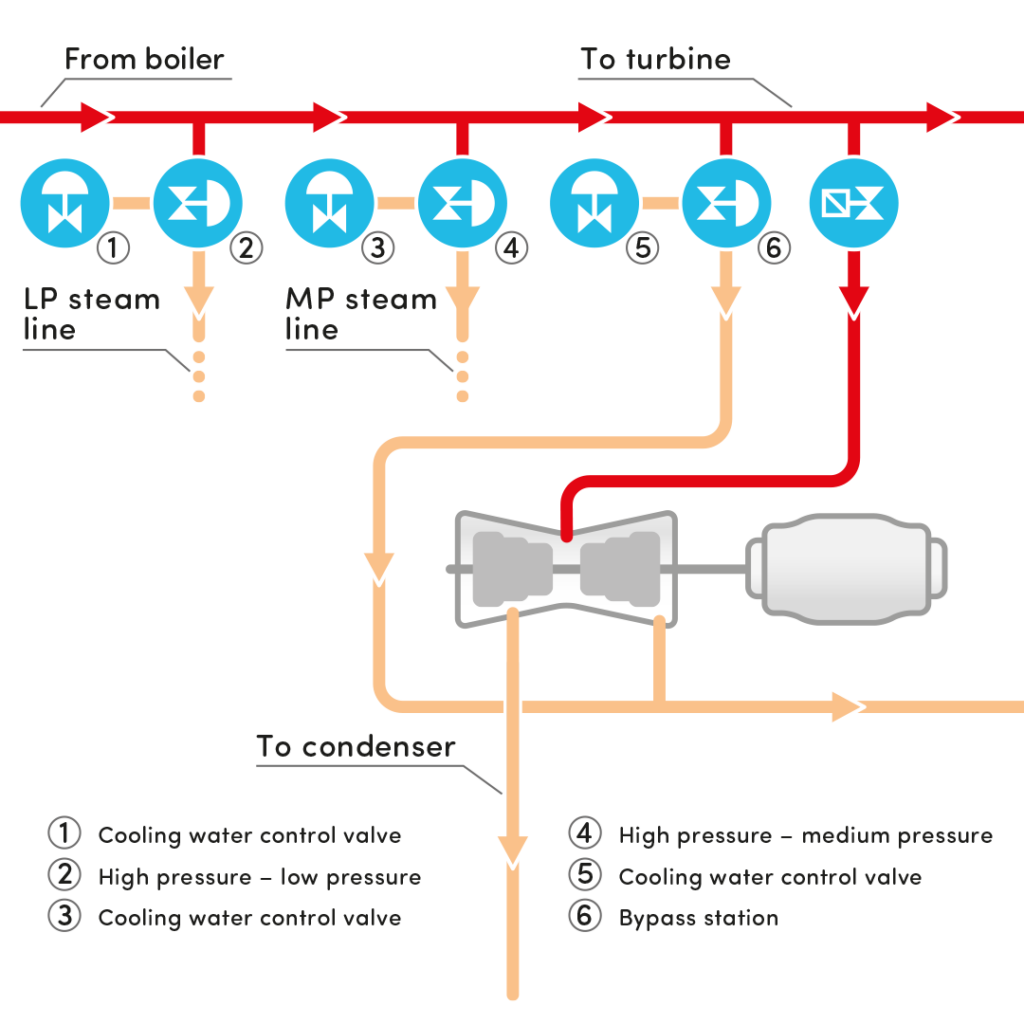
Find the right control valve for your turbine bypass now at ARCA!
1), 3), 5) Cooling water valve
The temperature of the secondary steam downstream the steam-conditioning stations is controlled by the cooling water control valves and is feeding the cooling water chamber or nozzle of the steam-conditioning control valve.
(Recommended : ECOTROL® Series 8C, 6H and Series 190)
2) HP-LP Steam-Conditioning Station
The HP-LP station supplies the plant with low-pressure steam to meet the power plant’s own requirements when the turbine is not running or turbine tap pressure is insufficient. ARCA steam-conditioning control valves, which minimize noise as far as possible for humans and the environment by using multi-stage perforated plug and cage combinations, provide ideal conditions for this. Steam pressure is reduced in the valve and cooled by injecting cooling water into the valve itself or at the valve outlet with respect to the operating data.
(Recommended : Series 510 to 580)
4) HP-MP Steam-Conditioning Control Valves
The HP-MP station supplies the plant with medium-pressure steam to meet the power plant’s own requirements when the turbine is not running or turbine tap pressure is insufficient. Otherwise, same remarks apply here as with the previously described valve.
(Recommended : Series 510 to 580)
6) Bypass Station-Steam-Conditioning Control Valves
The bypass station takes up the excess live steam and typically leads it through a steam tube directly into the condenser, especially if the emergency tripping mechanism for the turbine is actuated. Thus, fast and precise actuation times are required, since this is a safety device to protect the plant and to avoid the blow-off of steam into the environment.
(Recommended : Series 560 to 580)
Boiler
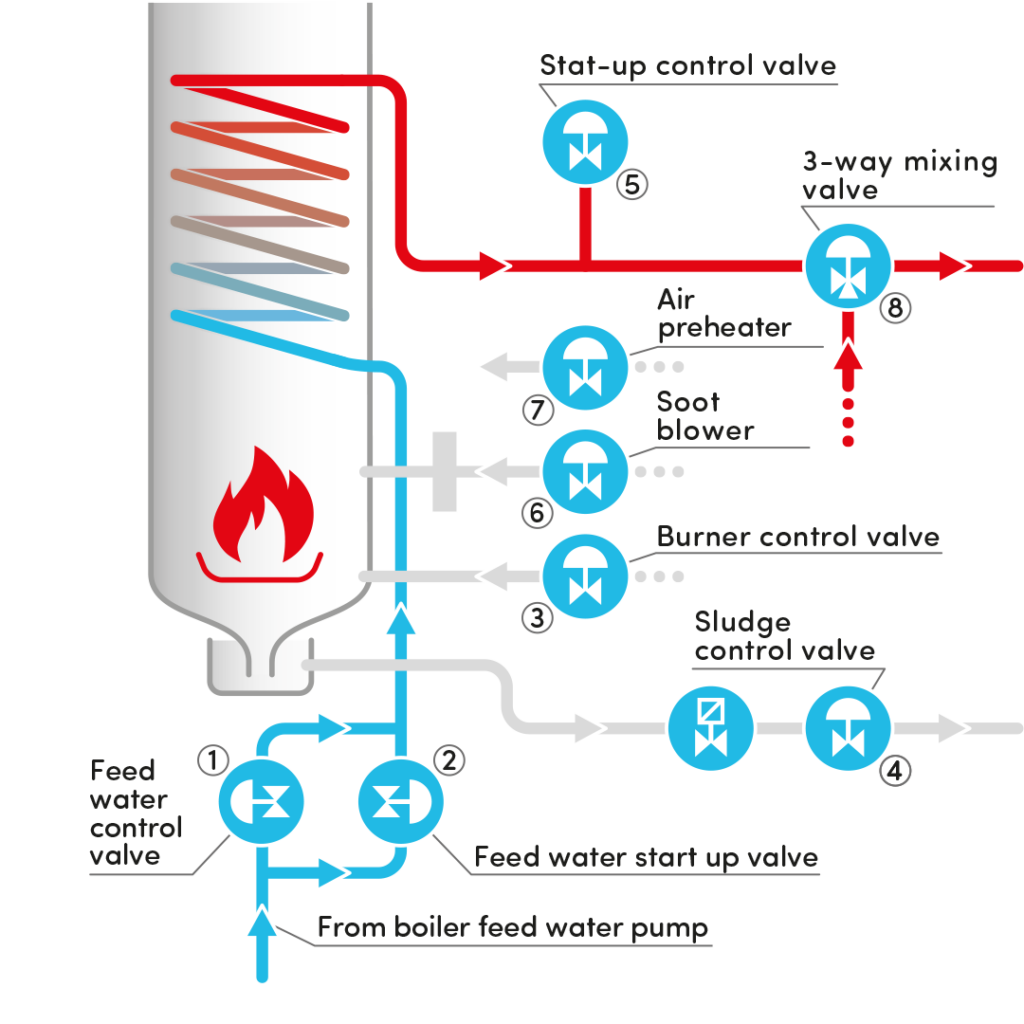
At ARCA you will find the right control valve for each process step in the boiler of the power plant.
1) Feed water control valve
With this control valve, the level in the boiler drum is regulated so that boiler feed water is continuously available in the boiler for steam generation. In order to compensate for the difference between the characteristic curve of the feed water pump and the operating characteristic of the boiler system, the characteristic curve of the feed water control valve must be designed accordingly.
(Recommended : ECOTROL® Series 8C, 6H, Series 350, 380)
2) Feed water startup valve
The boiler drum is filled by this control valve when the system is started up. Since a large differential pressure and cavitation have to be mastered during start-up, this valve is subject to high stress and thus wear. Therefore, this often small valve is equipped with a hardened multi-stage trim and is located in parallel with the feed water control valve, which must then be designed for maintaining the level.
(Recommended : ECOTROL® Series 8C, 6H, Series 190 and Series 350)
3) Burner control valve
This valve regulates the supply of natural gas to the gas burner or the fuel oil to the oil burner on the boiler. During gas operation, special attention has to paid on the flow characteristics and the noise reduction. During fuel oil operation this valve operates as a back pressure control valve keeping the pressure upstream of the oil burner constant.
(Recommended : ECOTROL® Series 8C, 6N)
4) Blowdown valve
This valve quickly opens for a brief moment to drain a small quantity of boiler feed water for desludging the boiler water drum. Hard internal parts are required to withstand the high differential pressure, flashing conditions and abrasion that prevail. The sealing edges of this control valve are subject to wear, which is why we recommend installing an additional shut-off valve here.
(Recommended : ECOTROL® Series 8C, 6H, Series 190, Series 350, 380)
5) Boiler start-up control valve
The start-up control valve typically blows steam through a silencer system into the atmosphere when the boiler is started. Since the steam expands with a high pressure reduction, this valve usually has an asymmetric design.
(Recommended : ECOTROL® Series 8C, 6H, Series 350, 380)
6) Soot blower control valve
The walls of the heat exchangers in the boiler are steam-cleaned of soot particles to optimize heat transfer efficiency inside the boiler. To this end, soot blower control valves feed live steam to the soot blower nozzles with minimum actuating time. (series: 6H, 190, 350, 380)
(Recommended : ECOTROL® Series 6H, Series 350, 380)
7) Air preheater control valve
The burner air is preheated to optimize the effectiveness of the combustion process. The temperature of the burner air is determined by the steam fed to the air preheater via this control valve.
(Recommended : ECOTROL® Series 8C, 6N)
8) 3-way mixing valve (variant I)
Superheating the steam of the steam turbines while they are running increases plant efficiency and prevents the turbine blades from becoming damaged by condensed drops of liquid. For better energy utilization of the generated steam, a secondary superheater is installed in power plants with higher steam pressures. The heat transferred to the superheater varies greatly due to fluctuating loads and soot deposits in particular. The temperature of the superheater must therefore be regulated. The superheated steam is passed through a pipe coil by means of the 3-way mixing valve, which is located in the water-filled part of the steam drum. The colder drum water with the saturated steam temperature thus cools the superheated steam. (series: 200, 220)
(Recommended : Series 200,220)
8) Boiler injection cooler (variant II)
Another way of controlling the superheater temperature is usually implemented in new systems by injecting boiler feed water with a desuperheater.
(Recommended : Series 590)

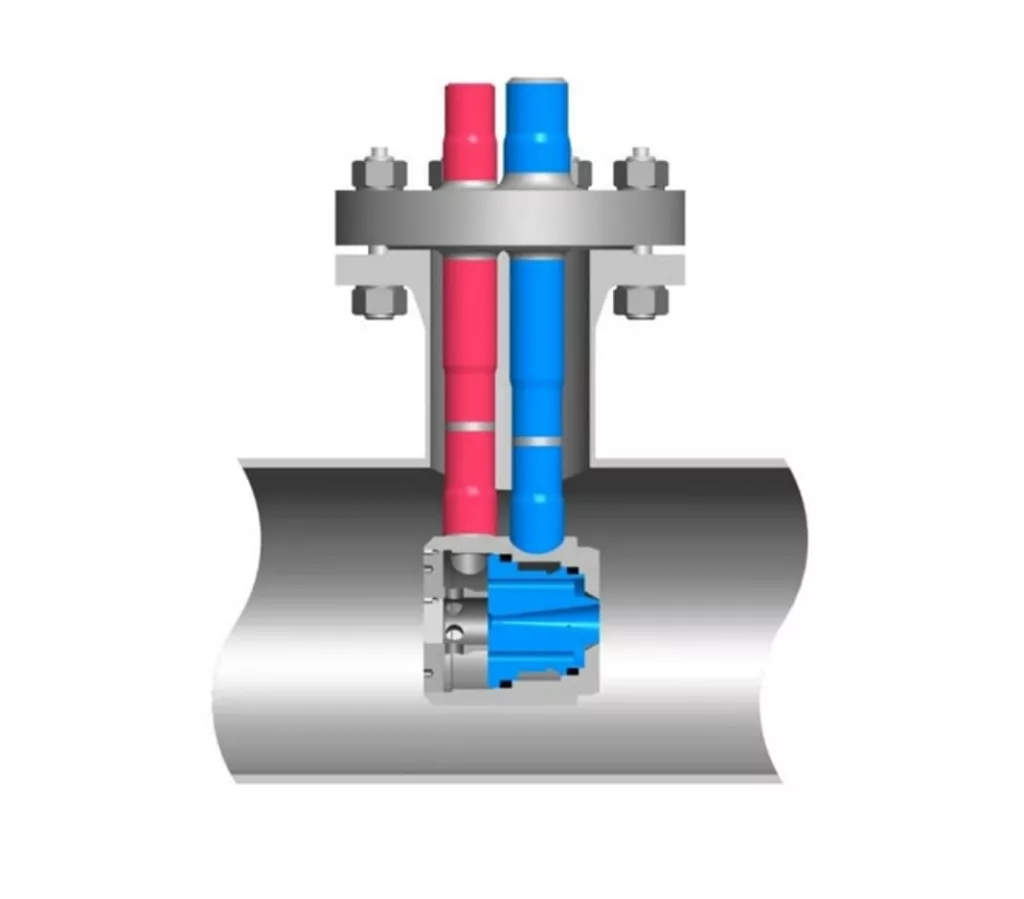

Pulp & Paper
Pulp, known as dissolving wood pulp is everywhere and is a high purity cellulose product predominantly used in a wide range of applications such as pharmaceutical, textile, food, pant an coating industries.
Paper is also an indispensable part of our daily lives. Whether it’s the daily newspaper, tissue paper or a good book – paper is needed everywhere.
For both the pulp and paper industries, ARCA is present everywhere in the processes, both in the extraction of pulp, to paper and also in the recycling of papers, with the appropriate control valves.
Starting with the raw material with the cross-linking of the fibrous materials and water as the basic substance, through the further process of preparation and sheet formation, in which the temperature of the rolls must be controlled, to drying which needs Powertrol steam conditioning valves. Our ECOTROL® control valve is used in all process steps. For the provision of energy, for example with steam, our energy valves will be used on the boilers and recovery boilers.
Common applications include,
- ECOTROL® Linear globe control valves
- Series 500 Powertrol steam conditioning valves
- Series 340/350/380 Angle pattern control valves
- Series 130 High pressure control valves
Continuous Casting Plant
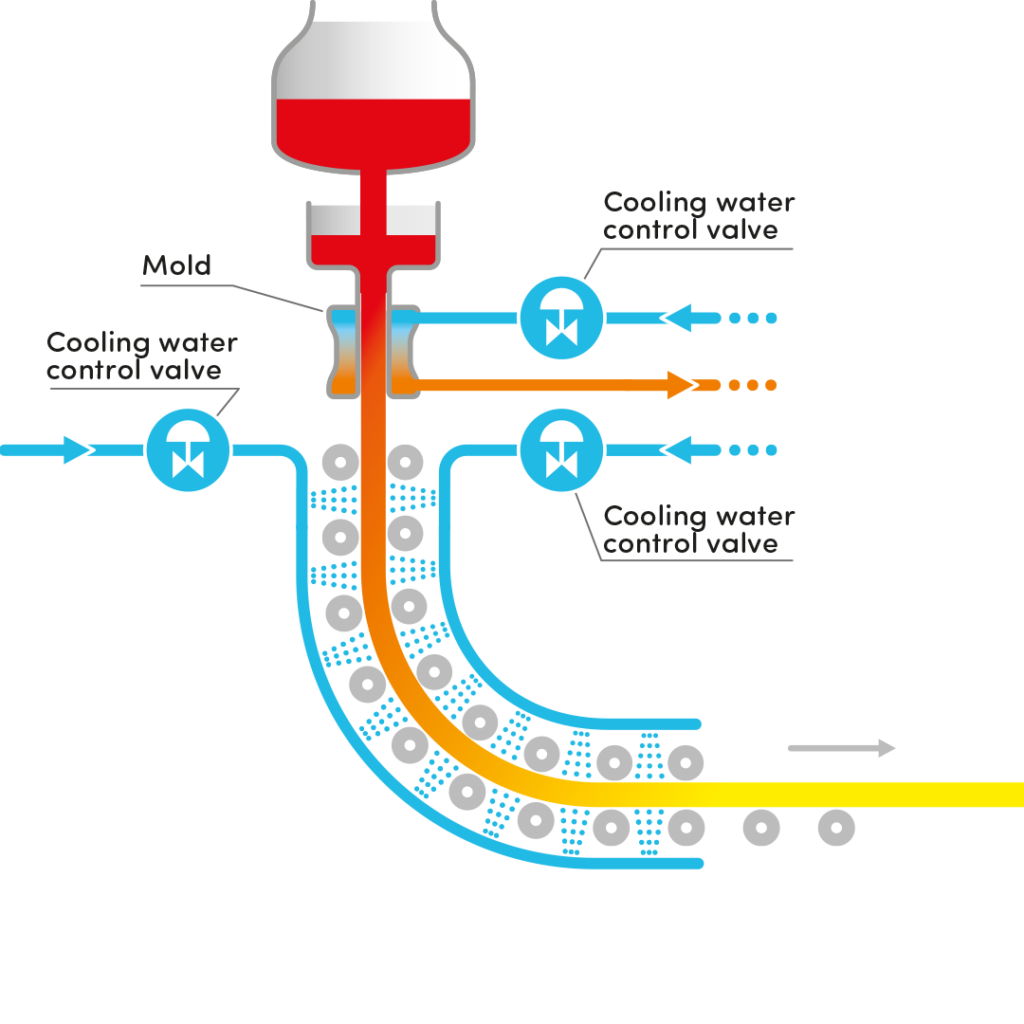
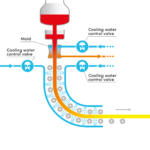
Due to constantly increasing strip quality, the cooling water valves for the work rolls in the intermediate frames of the turning zone are designed with specially adapted characteristic curves. The periodically changing width and thickness of the rolled material is controlled by a high resolution of the characteristic curve. Cooling water control valves for the hot strip rolling stand are used to increase the strip quality and continuous cooling of the work rolls.
(Recommended : ECOTROL® Series 8C, 6N)
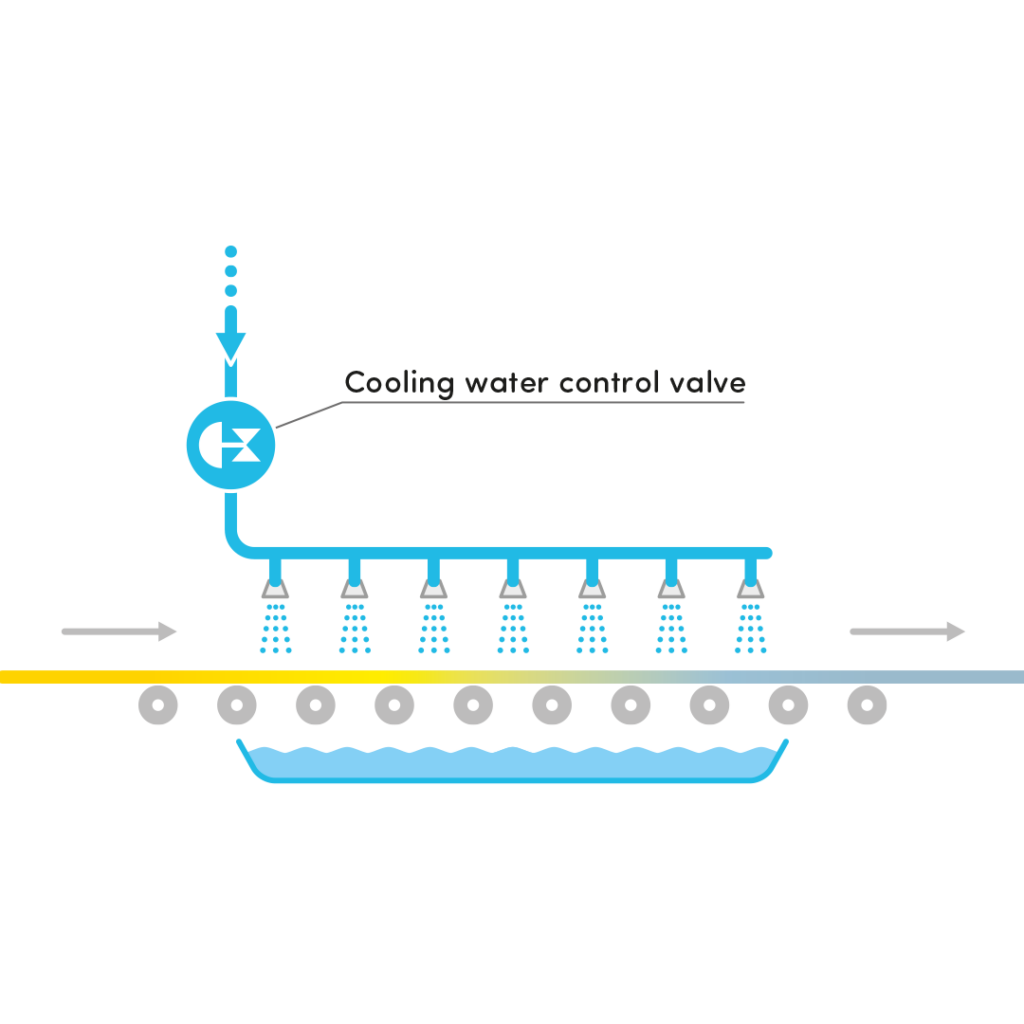
Laminar Flow Cooling
To ensure a wide range of cooling possibilities in laminar cooling, ARCA control valves with large Kvs values and linear characteristics are used here.
Cooling water control valves
The cooling water valves ensure final cooling of the strips after rolling in the production line and forward them to the coiler system for precise winding. Thanks to specially mounted peripheral devices and the corresponding safety position of the ARCA actuators, emergency cooling is continuously ensured.
(Recommended : ECOTROL® Series 8C, 6N and Series 250)

Stand
Due to steadily increasing strip quality, the cooling water valves for the work rolls inside the intermediate roll stands are designed with specially adapted characteristics. The periodically changing width and thickness of the rolling stock is controlled by a high resolution of the characteristic curve. Cooling water control valves for the hot strip rolling stand are used to increase strip quality and continuously cool the rolls.
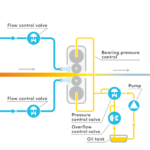
ARCA bearing pressure control valves with modified characteristic curves are used to increase the service life of the work roll bearings within the production line. They also ensure optimum lubrication of the work roll bearings. Pressure controllers series 902 on the ARCA actuators with supporting volume boosters ensure fast reactions.
(Recommended : ECOTROL® Series 8C, 6N)